

There’s nothing quite like the cozy embrace of freshly made homemade chapati, warm off the griddle. As the tantalizing aroma fills my kitchen, it takes me back to countless family meals, where every bite is a celebration of warmth and flavor. These soft, whole-wheat flatbreads are not just a staple; they are a canvas for vibrant dals, savory curries, and colorful sautéed veggies, turning a simple meal into something extraordinary.
After a long day, I often crave something satisfying and wholesome, and homemade chapati fits that bill perfectly. Crafted with just a handful of ingredients, this recipe is simple yet rewarding, inviting you to partake in a rich culinary tradition that feels like a loving hug from the past. Whether you’re new to Indian cooking or a seasoned chef seeking to elevate your meals, these chapatis promise to impress, making them a crowd-pleaser at any table. Let’s dive into creating these delightful delights!
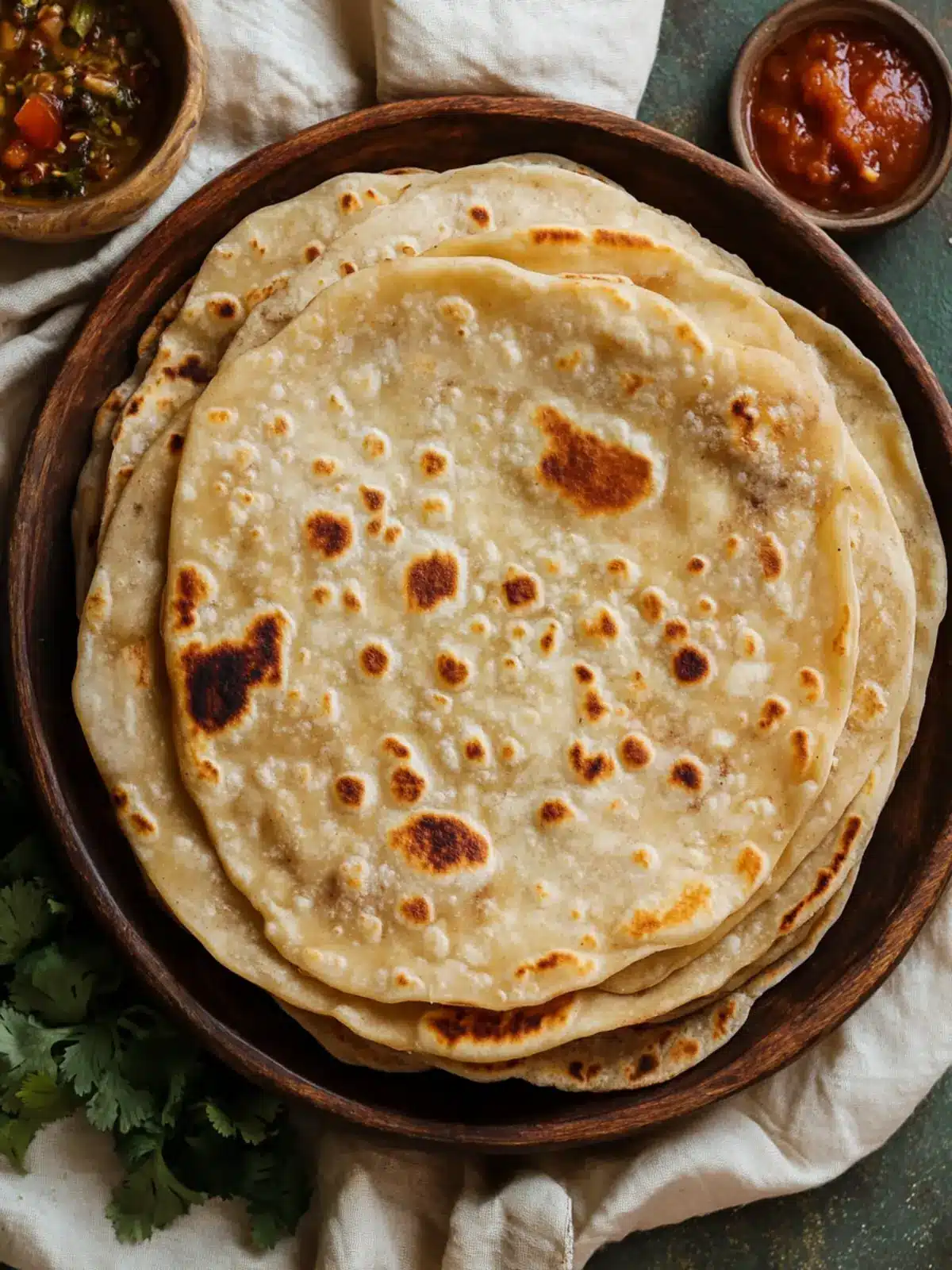
Why is Homemade Chapati a Must-try?
Warm, Fresh Taste: Homemade chapatis bring a delightful warmth straight from your kitchen, enhancing any meal.
Textural Perfection: Soft and slightly flaky, these chapatis get a satisfying chew, perfectly complementing your favorite dishes.
Simple Ingredients: With just a handful of whole-wheat flour and water, you can whip up these delicious flatbreads easily.
Versatile Pairing: Enjoy them with savory curries, vibrant dals, or even as a wrap; their adaptability knows no bounds!
Family Tradition: Making chapatis connects you to a rich culinary heritage, turning every meal into a cherished experience.
For a fabulous serving option, pair your chapatis with paneer butter masala for a delightful meal that never disappoints!
Homemade Chapati Ingredients
For the Dough
- Atta Flour – It’s the backbone of our chapatis; opt for high-quality whole-wheat flour for the best results.
- Hot Water – Essential for a soft dough; using hot water reduces kneading time and enhances elasticity.
- Neutral Oil (e.g., Canola, Peanut) – A little oil helps keep the chapatis tender and adds a nice texture.
For Dusting
- All-purpose Flour – Use this for dusting during rolling to prevent sticking without compromising the dough’s integrity.
For Brushing (Optional)
- Ghee or Melted Butter – Brush your cooked chapatis for added flavor and moisture; this makes your homemade chapati even more delicious!
How to Make Homemade Chapati
-
Mix the Dough: In a large bowl, combine 267g of atta flour with 192ml of hot water and 15g of oil. Stir until the mixture forms a shaggy dough, then knead gently for about 4-5 minutes until it’s soft and smooth.
-
Rest the Dough: Cover the kneaded dough with a damp cloth or plastic wrap and let it rest for at least 20 minutes. This resting period relaxes the gluten, making your chapatis softer.
-
Divide & Shape: After resting, divide the dough into 12 equal portions, each weighing around 40g. Keep the dough balls covered with a cloth to prevent them from drying out.
-
Roll the Chapatis: Take one dough ball, flatten it slightly, and dust it with all-purpose flour. Roll it out gently using a rolling pin, aiming for a thickness of about 1/16-inch, ensuring even thickness for optimal cooking.
-
Cook the Chapatis: Preheat a griddle or skillet over medium-high heat. Place each rolled chapati on the hot surface and cook for about 30-45 seconds on one side. Flip it and brush with a little ghee, cooking until golden brown on both sides.
-
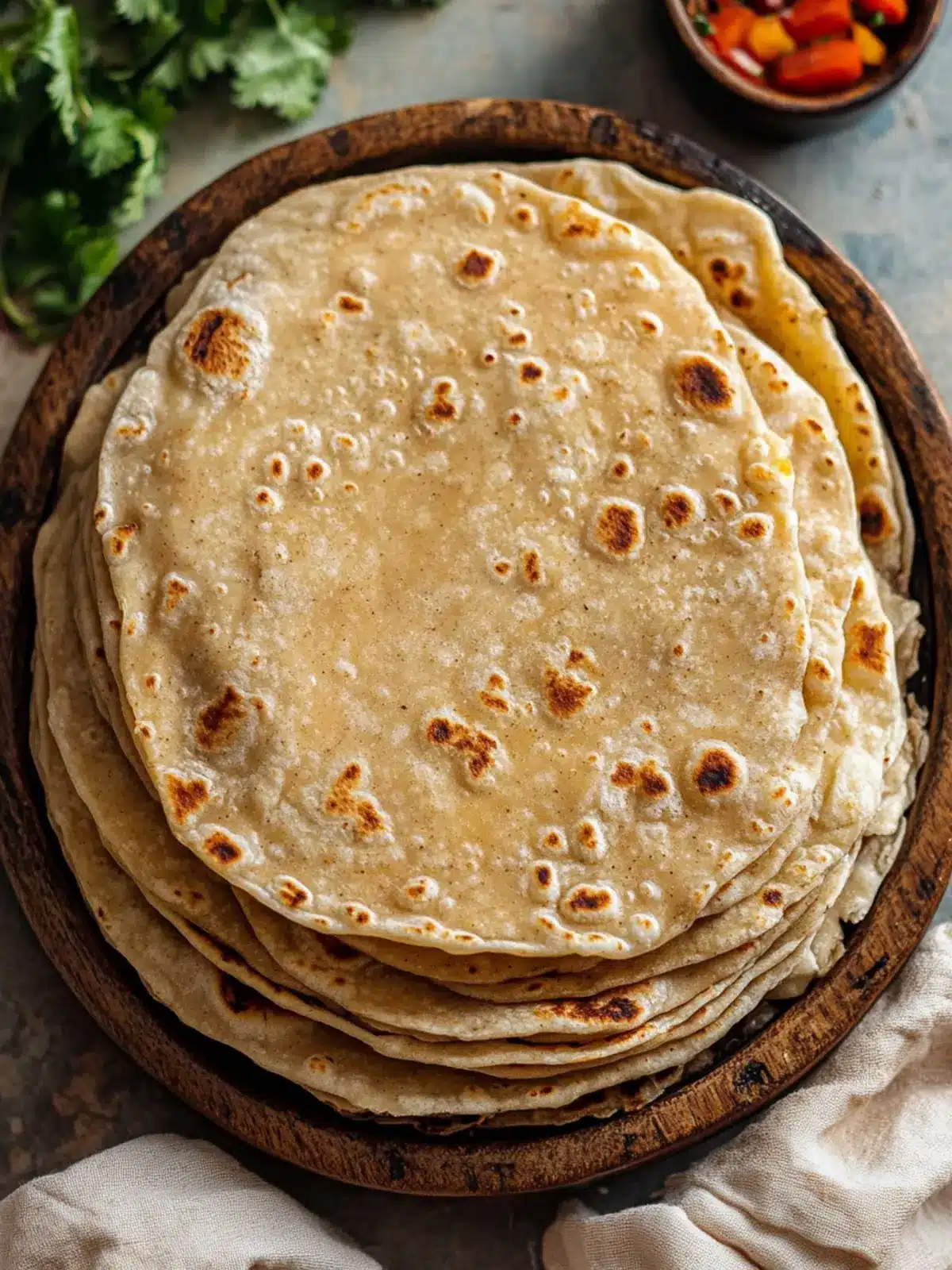
Keep Warm: Stack the cooked chapatis and wrap them in a clean kitchen towel. This helps keep them warm and soft while you finish cooking the remaining dough.
Optional: Serve with a dollop of ghee on top for an extra touch of richness!
Exact quantities are listed in the recipe card below.
Storage Tips for Homemade Chapati
-
Room Temperature: Store cooked chapatis in an airtight container at room temperature for up to 3 days, ensuring they’re protected from drying out.
-
Fridge: For longer storage, refrigerate cooked chapatis in an airtight container for up to 4-5 days. Reheat gently to restore softness.
-
Freezer: Freeze chapatis by stacking them between parchment paper, then placing in a freezer bag. They can last up to 2 months; reheat directly from frozen.
-
Reheating: To reheat, use a microwave with a damp paper towel to create steam, or warm on a skillet until soft. Enjoy your homemade chapati at its best!
Homemade Chapati Variations
Customize these delightful chapatis to suit your taste and dietary needs while keeping that warm, homemade feel.
-
Whole Wheat Plus: Add a blend of half whole-wheat flour and half spelt flour for a nutty flavor, bringing a new depth to your chapatis.
-
Herb Infusion: Incorporate finely chopped herbs like cilantro or spinach into the dough for an aromatic twist, enhancing both flavor and nutrition.
-
Flax Seed Boost: Mix in ground flaxseeds for added fiber and omega-3s. This not only elevates health benefits but gives a rich, earthy note.
-
Spicy Kick: For a dash of heat, add chili powder or crushed red pepper to the dough. It’s a fun way to spice things up and brings a zing to every bite!
-
Multigrain Goodness: Experiment with different types of flours—try adding a bit of oat or chickpea flour for a nutritious twist that is both filling and satisfying.
-
Sweetness Twist: For a unique flavor, mix in a tablespoon of jaggery or honey to the dough. This creates a subtly sweet chapati that pairs perfectly with savory dishes!
-
Ghadichi Poli Variation: Create a Maharashtrian touch by folding two dough pieces with oil in-between, resulting in a flaky texture that’s a delight to bite into.
-
Coconut Delight: For a flavorful twist, add desiccated coconut into the mix. This adds a lovely sweetness and subtle crunch, elevating the chapati experience.
Feel free to mix and match these variations to suit your palate—each twist adds layers to this cherished homemade classic!
Make Ahead Options
These soft homemade chapatis are perfect for meal prep enthusiasts! You can prepare the dough up to 48 hours in advance by following the first two steps of the recipe. After mixing and kneading, simply cover the dough with plastic wrap and refrigerate. When you’re ready to enjoy your chapatis, let the dough come to room temperature for about 30 minutes; this ensures it rolls out smoothly. For convenience, you can also roll out the chapatis and stack them with parchment paper in between, storing them in the fridge for up to 24 hours. When it’s time to cook, simply heat your griddle and proceed with the cooking instructions as usual for delicious, fresh chapatis with minimal effort!
Expert Tips for Homemade Chapati
-
Dough Consistency: Ensure your dough is soft and pliable; add more water if it feels dry. A perfect dough is key to achieving soft homemade chapati.
-
Even Rolling: Roll chapatis evenly to ensure they cook uniformly and puff up during cooking. Uneven thickness can lead to inconsistent cooking results.
-
Griddle Temperature: Keep an eye on your griddle temperature; if it’s too hot, chapatis may burn. Adjust the heat carefully to achieve that golden-brown perfection.
-
Resting Time: Don’t skip the resting period for the dough. Allowing it to relax for 20 minutes makes rolling easier and results in softer chapatis.
-
Flame Cooking: For a traditional touch, after cooking on the griddle, finish each chapati over an open flame for a few seconds to enhance puffiness and add a smoky flavor.
What to Serve with Homemade Chapati?
There’s nothing quite like a homemade chapati to elevate your meal experience, inviting you to explore delightful pairings that truly enhance each bite.
-
Paneer Butter Masala: Rich and creamy, this dish boasts luscious spices that perfectly complement the soft texture of chapati, creating a match made in culinary heaven.
-
Masoor Dal Tadka: A comforting lentil dish with a hint of smokiness that melds beautifully with chapati, making each mouthful a warm, hearty delight.
-
Vegetable Curry: Bursting with colorful vegetables and spices, a fragrant curry adds a vibrant splash to your plate while the chapati acts as the ideal tool to scoop up every flavorful bite.
-
Sautéed Spinach and Garlic: Light yet satisfying, this dish offers a touch of freshness that balances the doughy goodness of chapatis, creating a wholesome dining experience.
-
Raita: This cooling yogurt condiment is perfect for balancing spices. Its creamy texture provides a delightful contrast to the warm chapati, making every bite a refreshing adventure.
-
Sweet Mango Chutney: For a party of flavors, spread some luscious mango chutney on your chapati; the sweetness perfectly counters savory dishes, offering a delightful twist to your meal.
-
Fresh Salad: Crisp salads with cucumbers, tomatoes, and a sprinkle of lime cut through the rich flavors of your main dishes, adding crunch and freshness often missing in heavier meals.
-
Chai: A warm cup of spiced chai as you enjoy your meal brings a comforting essence to the table; the aromatic spices will linger in the air while enhancing the flavors of your food.
Homemade Chapati Recipe FAQs
What type of flour should I use for homemade chapati?
Absolutely! For the best results, I recommend using whole-wheat atta flour, known for its fine texture and nutritional value. If you can’t find atta flour, you can use a 50/50 mix of white whole-wheat flour and all-purpose flour, but keep in mind that it will result in a denser chapati.
How long can I store cooked chapatis?
You can keep your cooked chapatis in an airtight container at room temperature for up to 3 days. If you want to store them longer, you can refrigerate them for up to 4-5 days. Just remember to reheat gently, as they are best enjoyed warm and soft!
Can I freeze chapatis? If so, how?
Very! Freezing chapatis is simple. Stack the cooked chapatis with parchment paper between layers to prevent sticking. Place the stacked chapatis in a freezer bag and seal tightly. They can last for up to 2 months in the freezer. When you’re ready to eat, you can reheat them directly from frozen using a skillet or microwave.
What should I do if my chapati dough is too dry or too sticky?
The key to perfect chapati dough is its consistency! If your dough feels too dry, simply add a little warm water, a tablespoon at a time, and knead until smooth. On the other hand, if it’s too sticky, sprinkle a bit of dry flour and knead until it reaches a soft, pliable texture. Remember, a soft dough is vital for soft homemade chapatis!
Are there any dietary considerations for chapatis?
Absolutely! Homemade chapati is generally vegan, as it contains just flour and water. However, if you decide to use ghee or butter for brushing, it won’t be vegan anymore. Always ensure that your ingredients are free of allergens if you have specific dietary needs, especially if serving to others!
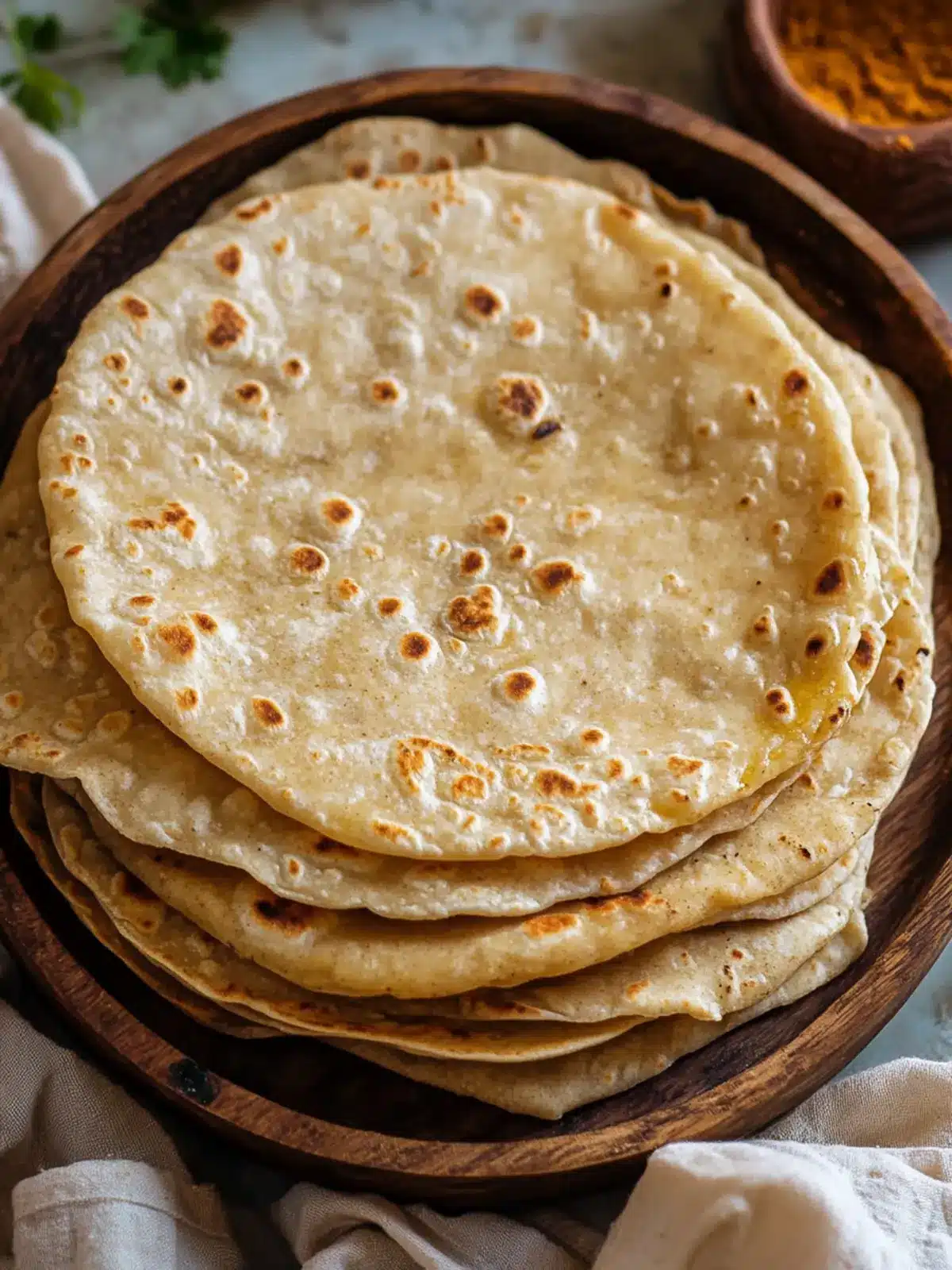
Soft Homemade Chapati That Elevates Every Meal Experience
Ingredients
Equipment
Method
- Mix the Dough: In a large bowl, combine 267g of atta flour with 192ml of hot water and 15g of oil. Stir until the mixture forms a shaggy dough, then knead gently for about 4-5 minutes until it’s soft and smooth.
- Rest the Dough: Cover the kneaded dough with a damp cloth or plastic wrap and let it rest for at least 20 minutes.
- Divide & Shape: After resting, divide the dough into 12 equal portions, each weighing around 40g. Keep the dough balls covered to prevent drying out.
- Roll the Chapatis: Flatten one dough ball slightly, dust it with all-purpose flour, and roll it out gently aiming for a thickness of about 1/16-inch.
- Cook the Chapatis: Preheat a griddle or skillet over medium-high heat. Place each rolled chapati on the hot surface and cook for about 30-45 seconds on one side. Flip and brush with a little ghee, cooking until golden brown on both sides.
- Keep Warm: Stack the cooked chapatis and wrap them in a clean kitchen towel to keep warm and soft.