

There’s nothing quite like the warm, buttery scent of fresh Danish Pastry Dough wafting from the oven, instantly transporting you to a charming bakery. I first dabbled in making this flaky delight on a lazy Sunday afternoon, craving something special for brunch. Little did I know, this simple yet elegant dough would open up a world of savory or sweet possibilities, perfect for any occasion.
Whether you’re treating yourself to a cozy breakfast, impressing friends at a gathering, or simply looking to break free from the fast-food routine, this recipe is your ticket to pastry perfection. As I rolled out layer after layer, I couldn’t help but marvel at how easily I could create bakery-quality pastries at home. With a few basic ingredients and some patience, you’ll unlock the secrets to a deliciously flaky treat that’s sure to be the star of your table. So, grab your apron, and let’s dive into the art of making Danish Pastry Dough—a versatile canvas for your culinary creativity!

Why is Danish Pastry Dough so special?
Irresistible Aroma: The heavenly scent of freshly baked pastry fills your kitchen, enticing everyone—trust me, you’ll feel like a pro baker!
Flaky Layers: This dough is celebrated for its delicate, flaky texture that creates a melt-in-your-mouth experience with every bite.
Versatility: Whether you’re in the mood for a sweet cream cheese filling or a savory spinach and feta surprise, this dough adapts beautifully to your cravings.
Easy to Make: With just a handful of ingredients and some time, you’ll turn simple pantry staples into an exquisite treat. Plus, why not explore other delightful options with variations for sweet and savory fillings?
Crowd-Pleaser: Perfect for brunch or dessert, these pastries are bound to impress family and friends at any gathering!
Danish Pastry Dough Ingredients
• To create the flaky perfection of Danish Pastry Dough, gather the following ingredients.
For the Dough
- All-Purpose Flour – Provides essential structure for the pastry; consider using a gluten-free blend for a celiac-friendly option.
- Sugar – Adds just the right sweetness while promoting browning; you can also use coconut sugar for a hint of caramel flavor.
- Salt – Enhances the overall flavor profile; don’t skip it, as it balances the sweetness perfectly.
- Unsalted Butter (cold) – The secret to those flaky layers; keep it cold to ensure optimal results, but can substitute with margarine if needed.
- Active Dry Yeast – Allows the dough to rise and achieve a light texture; instant yeast can be added directly to the dry ingredients without activation.
- Warm Milk – Activates the yeast and hydrates the flour; non-dairy milk works great for a vegan rendition.
- Large Egg – Imparts richness and helps bind the dough; a flax egg can serve as a vegan alternative for this recipe.
- Water – Adjusts the consistency of your dough; use judiciously to avoid making it too sticky or wet.
Optional Fillings
- Sweet Variations – Jam, chocolate, cream cheese, or fruit compotes make delightful fillings; switch it up based on what you have at hand.
- Savory Options – Spinach and feta, ham and cheese, or herbed cream cheese are all excellent choices that add unique flavor twists!
With this thoughtfully curated list, you’re ready to create your own masterpiece of Danish Pastry Dough. Enjoy the journey to flaky perfection!
How to Make Danish Pastry Dough
-
Mix Dry Ingredients: In a large mixing bowl, whisk together the all-purpose flour, sugar, and salt. Ensure there are no lumps, as this will create a smoother dough.
-
Activate Yeast: In a separate bowl, dissolve the active dry yeast in warm milk and let it sit for 5-10 minutes, until it becomes bubbly. This step ensures your dough risings are successful.
-
Form Dough: Pour the yeast mixture into the flour mixture, then add the large egg and a touch of water. Mix until a soft, cohesive dough forms, which may be a bit sticky.
-
Knead and Rise: Transfer the dough to a floured surface and knead for about 10 minutes until smooth and elastic. Place it in a greased bowl, cover, and let it rise until doubled in size—this should take 1-2 hours.
-
Create Layers: Once risen, roll out the dough into a rectangle, place cold butter slabs on one half, fold the dough over like a letter, and chill. Repeat this rolling and folding process to develop the flaky layers—chill between folds for best results.
Optional: Dust with powdered sugar before serving for a lovely finish!
Exact quantities are listed in the recipe card below.
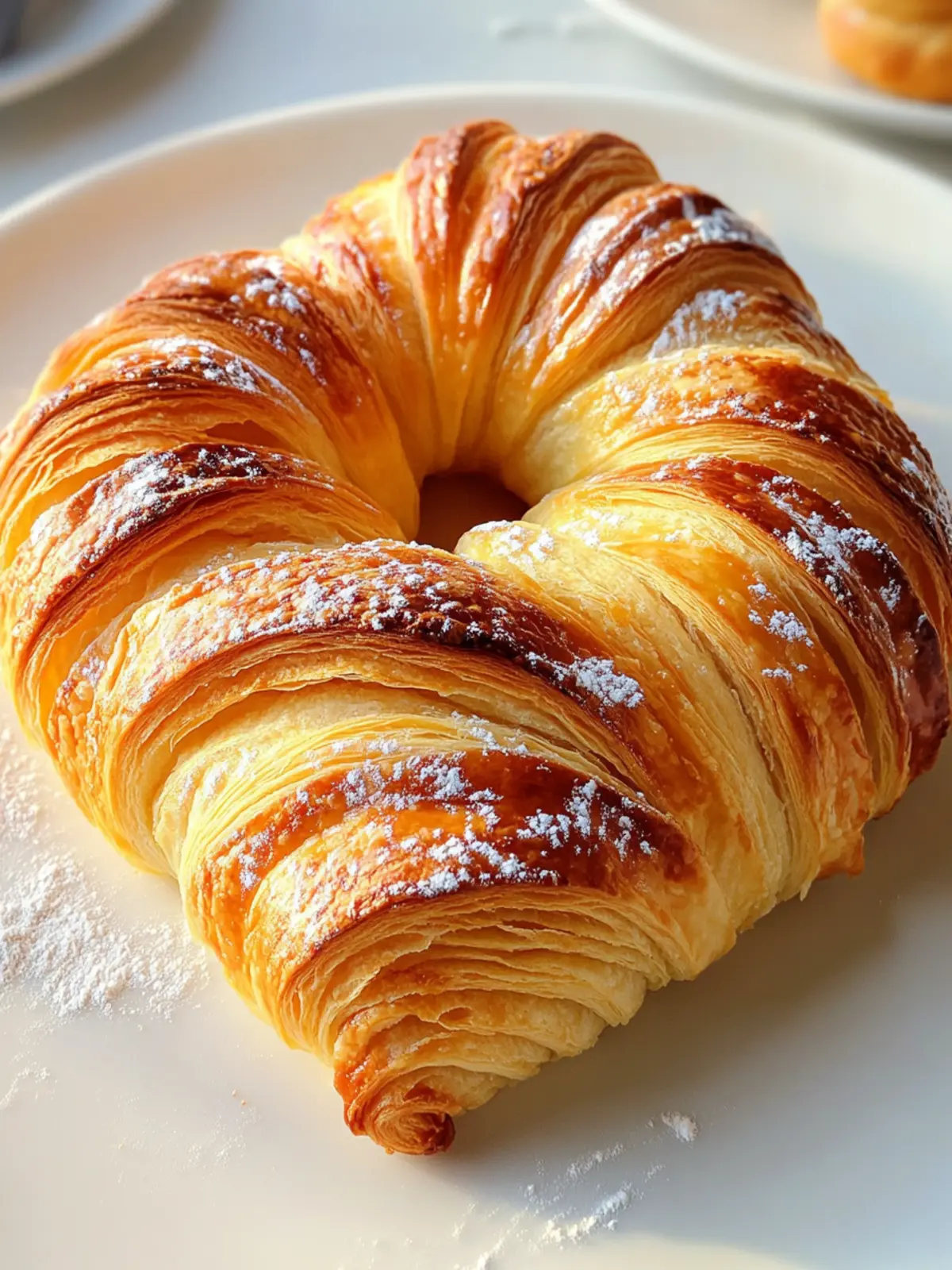
Storage Tips for Danish Pastry Dough
Room Temperature: Store baked pastries in an airtight container at room temperature for up to 2 days to maintain freshness.
Fridge: If you plan to keep the dough longer, wrap it tightly in plastic wrap and refrigerate for up to 5 days before baking to keep it fresh.
Freezer: For extended storage, freeze the dough after the first rise. It will stay good for up to 3 months; just thaw it overnight in the fridge before use.
Reheating: To restore that delightful crispiness, reheat baked pastries in a preheated oven at 350°F (175°C) for about 10-15 minutes. Enjoy the flaky perfection of Danish Pastry Dough fresh from the oven!
Expert Tips for Danish Pastry Dough
-
Keep It Cold: Ensure all ingredients, especially butter, are ice-cold. This keeps the layers separate, contributing to that sought-after flaky texture.
-
Perfect Rising: Be patient when allowing the dough to rise; rushing this process can yield denser pastries. Aim for a warm, draft-free spot for optimal results.
-
Avoid Over-Kneading: Knead just until smooth and elastic. Over-kneading can lead to tough dough that won’t achieve the desired flakiness.
-
Storage Savvy: If making in advance, freeze the dough after the first rise. Thaw it overnight in the fridge before rolling out to maintain its beautiful texture.
-
Experiment with Fillings: Don’t hesitate to get creative with sweet or savory fillings for your Danish pastry dough. The possibilities are endless, from classic fruit jams to gourmet cheeses!
Make Ahead Options
These Danish Pastry Dough preparations are perfect for busy home cooks looking to save time without sacrificing quality! You can prepare the dough up to 24 hours in advance and refrigerate it until you’re ready to bake. To do this, simply follow the mixing and kneading steps, then shape the dough, wrap it tightly in plastic, and refrigerate. When you’re ready to enjoy your pastries, roll out the dough cold, create layers, and fill it with your desired sweet or savory fillings. This method ensures your Danish Pastry Dough stays just as delicious, with flaky layers that rise beautifully in the oven. Enjoy fresh-baked goodness with minimal effort!
What to Serve with Danish Pastry Dough?
Serving this flaky dough opens up a world of flavors, transforming brunch or snack time into a delightful feast.
- Rich Coffee: The boldness of a freshly brewed cup complements the buttery sweetness of pastries, making breakfast feel indulgent.
- Fruity Jam: Slathering your pastry with seasonal fruit jam adds a fresh, tangy flavor that enhances its buttery goodness.
- Whipped Cream: Light and airy whipped cream creates a luxurious texture, perfect for sweet variations stuffed with fruit or chocolate.
- Cream Cheese Filling: A classic pairing, this rich and tangy filling is irresistible when folded into the dough before baking.
- Herbed Cheese Spread: For a savory twist, try a creamy herbed cheese spread. It pairs beautifully with the flaky texture of the pastry.
- Sparkling Wine: Elevate small gatherings with bubbly; its effervescence complements pastries’ rich flavors, making any occasion feel festive.
- Seasonal Fruit Salad: A refreshing mix of fruits provide a glorious contrast to the richness of the pastry and brighten your plate.
- Chocolate Drizzle: For a decadent treat, drizzle melted chocolate on sweet pastries, enhancing both flavor and visual appeal.
Danish Pastry Dough Variations & Substitutions
Feel free to customize your pastry adventures with these delightful options that invite experimentation and excitement!
- Gluten-Free: Substitute all-purpose flour with a gluten-free blend, ensuring your delicious pastries are accessible to everyone.
- Vegan: Replace the egg with a flax egg and use a plant-based butter and non-dairy milk for a fantastic vegan version.
- Lower Sugar: Cut the sugar content by half for a less sweet dough, allowing the fillings to shine through without overwhelming sweetness.
- Herb Infusion: Add fresh herbs like rosemary or thyme to the dough for a fragrant flavor twist that elevates savory options.
- Cream Cheese Delight: Mix softened cream cheese with a bit of sugar to create a lush sweet filling that’s utterly irresistible.
- Nutty Varieties: Fold in ground nuts, such as almond or hazelnut, into your dough for a rich flavor and crunchy texture.
- Spicy Kick: For a savory surprise, incorporate diced jalapeños or chili flakes into your filling for a delicious heat.
- Chocolate Lovers: Swirl in chocolate chips or a layer of Nutella inside for a decadent sweet treat that will satisfy any chocolate craving!
With these variations, your Danish Pastry Dough will inspire endless culinary creations, bursting with flavors that speak to your heart!
Danish Pastry Dough Recipe FAQs
What type of flour is best for Danish Pastry Dough?
I recommend using all-purpose flour because it provides the ideal structure for flaky layers. If you need a gluten-free option, a gluten-free blend can be substituted, but make sure it’s one that’s designed for baking to ensure the best results.
How should I store Danish Pastry Dough and for how long?
If you have unused dough or baked pastries, I suggest wrapping them tightly in plastic wrap or placing them in an airtight container. You can refrigerate it for up to 5 days. If you want to save it longer, freeze the dough after the first rise for up to 3 months. Just remember to thaw it overnight in the fridge before using!
Can I freeze Danish Pastry Dough? If so, how?
Absolutely! To freeze your dough, first let it rise until doubled in size. Then, punch it down, shape it into a disk, and wrap it tightly in plastic wrap. You can place it in a freezer-safe bag to prevent freezer burn. When you’re ready to use it, simply move it to the refrigerator the evening before you plan to bake.
How do I ensure my Danish Pastry Dough turns out flaky?
The key to achieving that perfect flaky texture is keeping your butter cold. Use chilled, cubed butter and work quickly during the rolling and folding process. Also, be patient with the rising times; rushing this step can lead to denser pastries. Follow the chilling steps as mentioned in the recipe for best results!
Are there any dietary restrictions to consider with Danish Pastry Dough?
This recipe can easily accommodate various dietary preferences. For a dairy-free version, you can swap out the butter for margarine or a dairy-free butter alternative and use non-dairy milk. Moreover, to make it vegan, simply replace the egg with a flax egg (1 tablespoon of ground flaxseed mixed with 2.5 tablespoons of water).
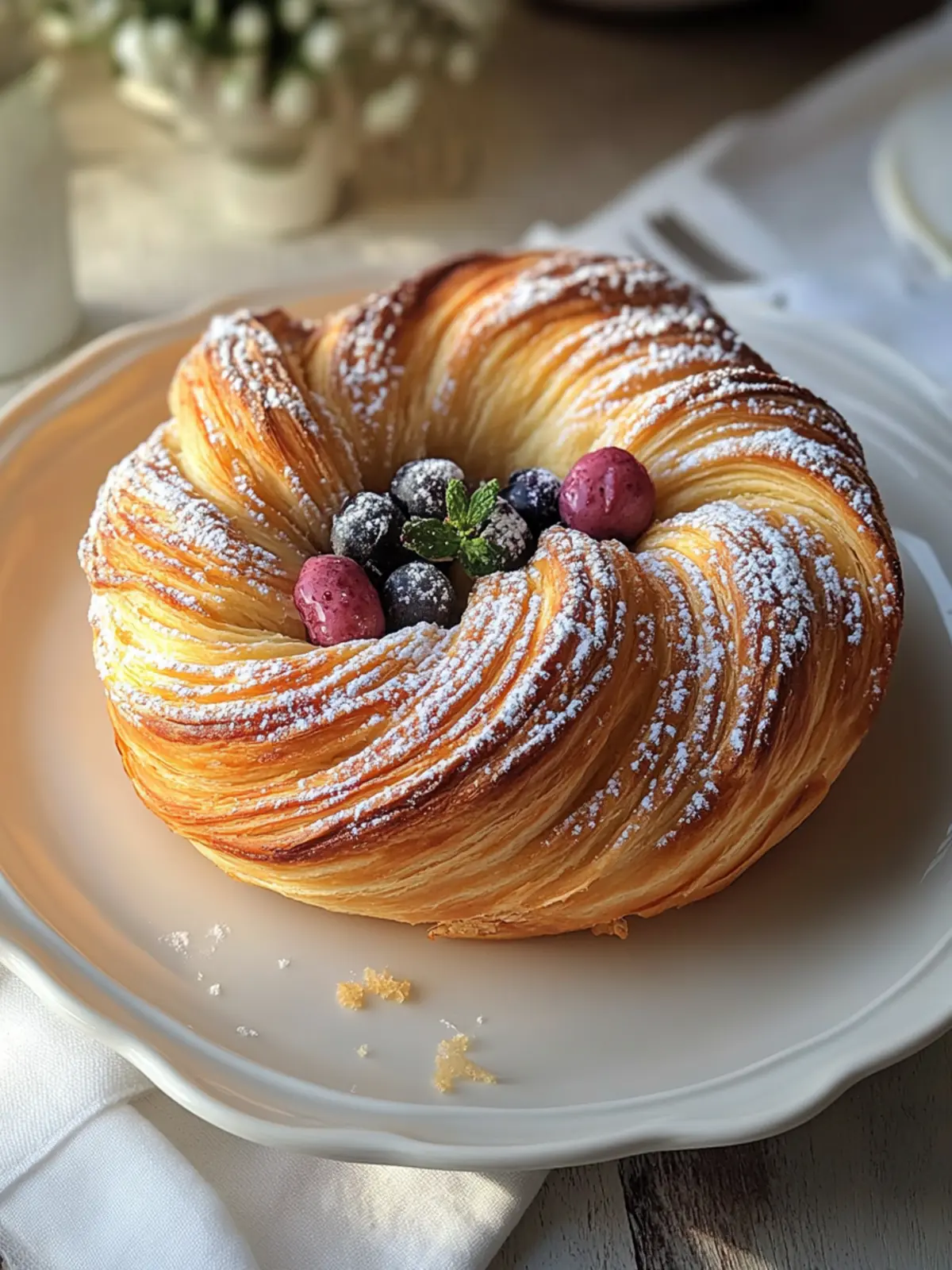
Danish Pastry Dough: Unlock Flaky Perfection at Home
Ingredients
Equipment
Method
- Mix Dry Ingredients: In a large mixing bowl, whisk together the all-purpose flour, sugar, and salt.
- Activate Yeast: In a separate bowl, dissolve the active dry yeast in warm milk and let sit for 5-10 minutes.
- Form Dough: Pour the yeast mixture into the flour mixture, then add the large egg and a touch of water. Mix until a soft, cohesive dough forms.
- Knead and Rise: Transfer the dough to a floured surface and knead for about 10 minutes until smooth and elastic.
- Create Layers: Roll out the dough into a rectangle, place cold butter slabs on one half, fold over, and chill.