

There’s something refreshing about a dish that can whisk you away to another culture with just one bite. While rummaging through my fridge the other day, I spotted a colorful array of vegetables begging to be transformed into something more than just a side. That’s when I decided to whip up the Best Nigerian Salad Recipe: Nigerian Vegetable Salad in 10 Minutes! This vibrant creation is not only a feast for the eyes but also a celebration of textures and flavors that remind me of joyous Nigerian gatherings.
Perfectly crunchy carrots and crisp lettuce mingle with juicy tomatoes and hearty potatoes, all drizzled in a creamy dressing that brings it all together. Whether you’re serving it as a show-stopping main dish or a delightful side to complement your favorite meals, this salad is easy to customize, making it a wonderful go-to for any occasion.
So, if you’re tired of lackluster fast-food options and are excited to bring some fresh, nutrient-rich goodness to your table, let’s dive into this quick and delicious recipe that promises to be a crowd-pleaser!

Why is the Best Nigerian Salad Recipe a Must-Try?
Vibrant Flavors: This salad bursts with a variety of colors and textures, making every bite a delightful experience.
Quick Preparation: In just 10 minutes, you can craft this delicious dish, perfect for busy lifestyles or impromptu gatherings.
Nutrient-Packed: Loaded with fresh vegetables, this salad is not only tasty but also full of vitamins and antioxidants to fuel your body.
Customizable Options: Feel free to swap ingredients like potatoes for macaroni or switch the dressing for a healthier twist, allowing you to tailor it to your taste.
Crowd-Pleasing Dish: Whether it’s a family lunch or a festive gathering, this vibrant salad is sure to impress and satisfy everyone at the table.
Try it today, and discover why it’s a staple in Nigerian cuisine!
Best Nigerian Salad Ingredients
For the Vegetables
• Carrots – Adds sweetness and crunch; use grated rather than chopped for better texture.
• Cabbage – Brings a refreshing crispness; finely chop for easier mixing.
• Lettuce – Contributes a light, fresh taste; choose fresh, vibrant leaves.
• Tomatoes – Adds juiciness and acidity; core and cube for even distribution.
• Cucumber – Provides a refreshing crunch; peel, scoop out seeds, and cube to prevent excess moisture.
• Potatoes – Offers heartiness and creaminess; can substitute with elbow macaroni, boiled and cubed.
• Onions – For pungency and crispness; soak in cold water to reduce sharpness.
• Green Bell Peppers – Offers a slightly bitter taste; chop finely for even mixing.
For Protein Options
• Eggs – Gives protein and richness; hard boil and slice for topping.
• Proteins (Optional) – Chicken, hot dogs, or Exeter corned beef for added flavor; ensure they are cooked and chopped into bite-size pieces.
For the Dressing
• Heinz Salad Cream/Mayo – Acts as the dressing for creaminess and flavor; substitute with evaporated milk for a lighter option.
• Corn/Beans/Peas – Adds sweetness and texture; pre-cooked options are recommended for ease.
Enjoy the Best Nigerian Salad Recipe that highlights the essence of freshness and vibrant flavors!
How to Make Nigerian Vegetable Salad
-
Prep Vegetables: Start by grating the carrots, finely chopping the cabbage and lettuce, and cubing the tomatoes and cucumber. This bright medley creates a delightful texture!
-
Boil Ingredients: Hard boil the eggs for about 7 minutes and boil the potatoes until they’re tender. Once done, shell the eggs and peel the potatoes so they’re ready for mixing.
-
Layer Ingredients: In a large bowl, begin layering the vegetables, starting with the cabbage and lettuce. Gradually build your layers to create a colorful presentation.
-
Add Beans and Eggs: Once all the veggies are layered, sprinkle the baked beans on top and artfully arrange the sliced hard-boiled eggs over the salad for extra flair!
-
Serve or Refrigerate: Enjoy immediately, or cover and refrigerate until ready to serve. Just be mindful not to keep the salad in the fridge for more than 24 hours for best taste!
Optional: Garnish with fresh herbs for an aromatic touch.
Exact quantities are listed in the recipe card below.
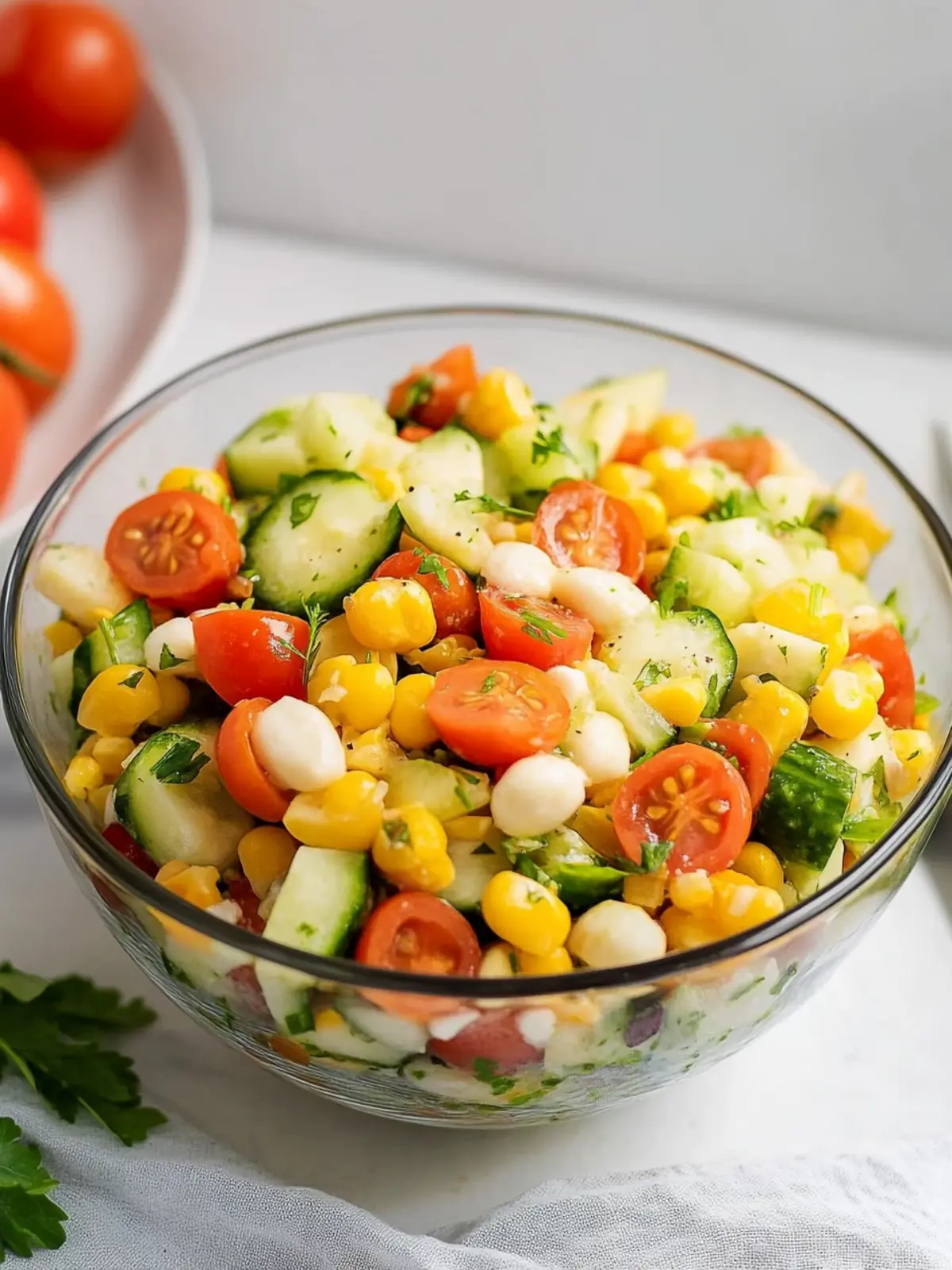
Nigerian Vegetable Salad Variations
Feel free to explore your creativity and customize this delightful salad to suit your taste and dietary needs!
-
Dairy-Free: Swap mayonnaise or salad cream for a vegan dressing made with avocado or tahini for a creamy, plant-based alternative.
This change not only caters to vegan friends but also packs extra nutrients! -
Gluten-Free: Replace elbow macaroni with cooked quinoa or chickpeas for a heartier bite.
This substitution adds protein while keeping the dish wholesome and satisfying—perfect for gluten-sensitive folks! -
Spicy Kick: Add chopped jalapeños or a dash of hot sauce for a spicy twist that elevates the flavors.
This variation will bring warmth and excitement to every bite, perfect for those who love a little heat! -
Herb Infusion: Toss in a handful of fresh herbs like parsley or cilantro to enhance the salad’s flavor and aroma.
These aromatic additions lend freshness and vibrancy, creating an irresistible medley of tastes! -
Crunchy Twist: Include nuts or seeds, such as sunflower seeds or chopped walnuts, for an added crunch dimension.
The rich texture pairs beautifully with the creamy dressing, making the salad even more delightful! -
Seasonal Sensations: Swap in seasonal vegetables like roasted bell peppers, zucchini, or asparagus depending on what’s fresh.
This change creates a dish that celebrates the flavors of the season, ensuring your salad feels new each time! -
Fruit Surprise: Add diced apples or sweet grapes for an unexpected sweetness that complements the vegetables.
The combination of savory and sweet delights your palate and can even attract the pickiest of eaters! -
Protein Boost: Amp up the protein by adding grilled tofu or chickpeas if you prefer a vegetarian protein source.
This twist not only satisfies hunger but also transforms the salad into a filling meal perfect for lunch or dinner!
Expert Tips for the Best Nigerian Salad
-
Prep Efficiency: Utilize a food processor for grating vegetables to save time and achieve uniform texture in your Nigerian vegetable salad.
-
Avoid Moisture: When preparing cucumbers, always scoop out the seeds before cubing to prevent excess moisture that can make the salad soggy.
-
Layering Matters: Start layering the ingredients from the most substantial to the lightest, ensuring the salad holds its visual appeal and texture when served.
-
Dressing Choice: Keep the dressing light to enhance, not overpower, the fresh flavors of your vegetables. This is key for the best Nigerian salad experience.
-
Storage Tip: Prevent the salad from losing its freshness by not returning leftovers to the fridge once served. Consume within 24 hours for the best taste.
How to Store and Freeze Nigerian Vegetable Salad
Fridge: Store the salad in an airtight container in the fridge for up to 24 hours. Cover well to prevent sogginess and maintain freshness.
Freezer: It’s not recommended to freeze this salad due to the high water content of the vegetables, which can result in a mushy texture when thawed.
Reheating: If you’ve included proteins that need reheating, heat them separately before adding back to the salad right before serving to keep the salad fresh.
Make-Ahead Tip: For best results, prepare all ingredients ahead of time, but mix them just before serving to maintain the lively texture of the Nigerian vegetable salad.
Make Ahead Options
These Best Nigerian Salad Recipe options are perfect for busy home cooks looking to save time! You can prep the vegetables—grate the carrots, finely chop the cabbage, and cube the tomatoes and cucumber—up to 24 hours in advance, storing them separately in airtight containers in the refrigerator. To maintain freshness and avoid sogginess, keep your dressing separate until you’re ready to serve. When you’re prepared to enjoy your salad, simply layer the prepped veggies, sprinkle with baked beans, and top with hard-boiled egg slices. This way, you’ll have a deliciously vibrant salad ready with minimal effort, ensuring every serving is just as delightful as if it were freshly made!
What to Serve with Nigerian Vegetable Salad?
Pair this vibrant selection with complementary flavors that elevate your gathering or mealtime experience, creating an unforgettable feast.
- Jollof Rice: This iconic Nigerian dish boasts rich flavors and spices, making it a perfect pairing with the salad’s freshness.
- Plantain Chips: Crunchy and slightly sweet, these chips add a delightful contrast to the creamy texture of the salad.
- Grilled Chicken: Juicy and flavorful, grilled chicken complements the crisp vegetables, making each bite even more satisfying.
- Spicy Fried Fish: The heat from the fish beautifully balances the cool and creamy salad, offering a mouthwatering combination.
- African Sweet Potatoes: Roasted sweet potatoes provide a hearty, sweet element that pairs beautifully with the salad’s crisp textures.
- Ginger Beer: The refreshing zing of ginger beer enhances the lively flavors, making it a fantastic beverage choice.
- Puff Puff: These delightful, fluffy treats add a sweet touch to your meal, contrasting wonderfully with the savory salad.
- Mango Chutney: A spoonful of sweet mango chutney can heighten the flavors in the salad, bringing an exotic fruitiness to your plate.
- Coconut Rice: Creamy and subtly sweet, this dish introduces a tropical vibe, perfectly offsetting the salad’s vibrant crunch.
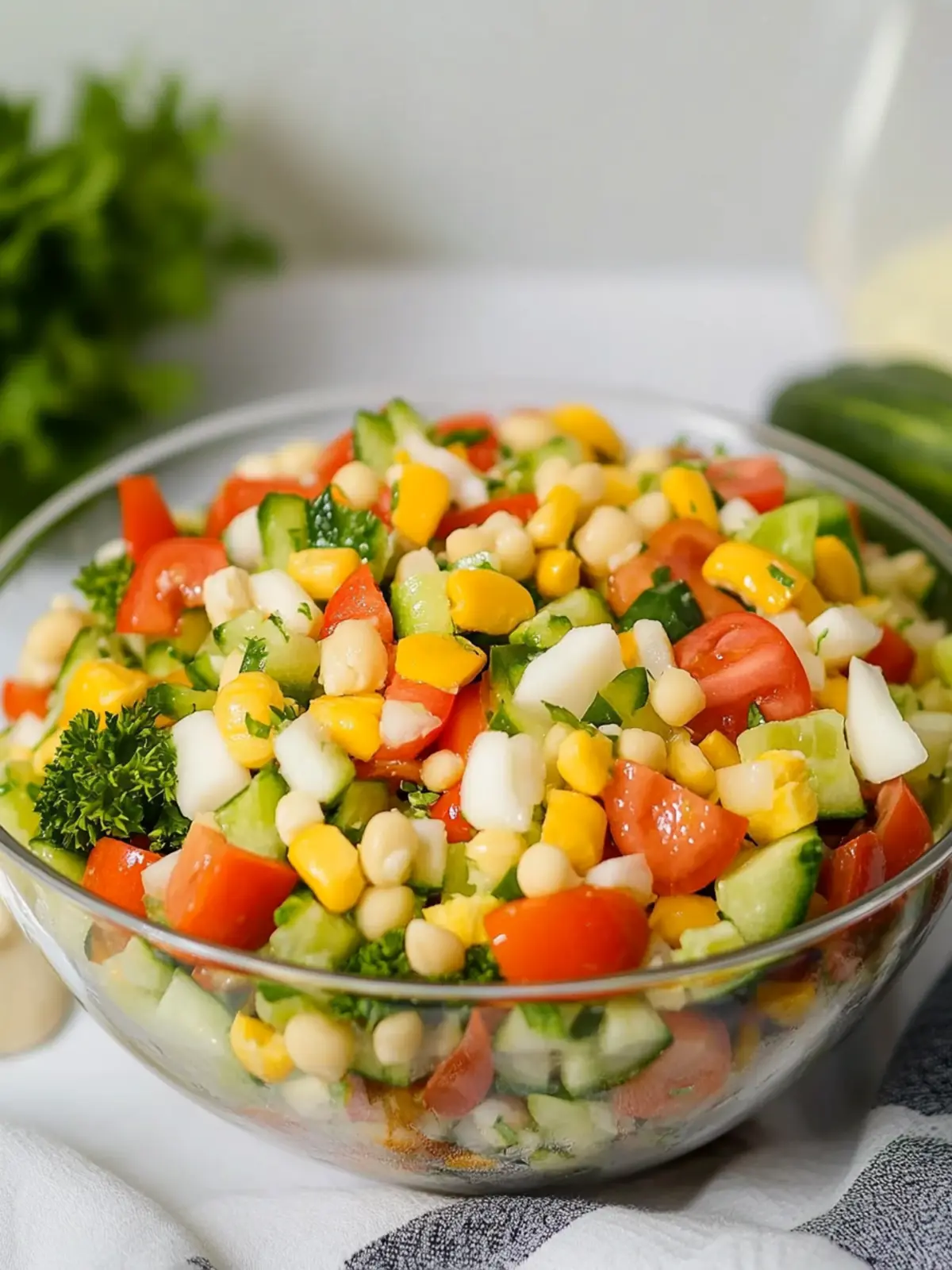
Best Nigerian Vegetable Salad Recipe FAQs
What vegetables should I use in the salad?
Absolutely! For the best Nigerian vegetable salad, it’s ideal to use a mix of vibrant vegetables such as carrots, cabbage, lettuce, tomatoes, cucumbers, and green bell peppers. Choose fresh and brightly colored produce for maximum flavor and presentation. Grated carrots ensure better texture, while finely chopped cabbage creates good mixing.
How long can I store the Nigerian vegetable salad in the fridge?
You can store the Nigerian vegetable salad in an airtight container in the refrigerator for up to 24 hours. Be sure to cover it well to prevent sogginess. After that, the freshness starts to decline, and it’s best enjoyed fresh!
Can I freeze Nigerian vegetable salad?
Unfortunately, I don’t recommend freezing this salad. The high water content in the vegetables can lead to a mushy texture once thawed. If you want to save ingredients, consider prepping everything but mixing them until you’re ready to serve!
How can I reduce the sharpness of onions in the salad?
Very! A simple method to lessen that pungency is to soak the chopped onions in cold water for about 10-15 minutes before adding them to your salad. This technique will make the onions milder and more palatable for those who may be sensitive to their sharp flavor.
What if I want to customize my salad for dietary preferences?
Customization is key! For a vegetarian version of the best Nigerian salad, simply omit the eggs and add more beans or chickpeas for added protein. You can also swap the dressing for a yogurt-based option or a vinegar-based dressing to suit your taste. The possibilities really are endless!
Are there any allergens I should be aware of when making this salad?
Yes, there could be allergies associated with some ingredients. Eggs and mayonnaise are common allergens, so if that’s a concern, consider using alternative dressings such as a light vinaigrette or dairy-free options. Always double-check with your guests about any specific dietary restrictions to ensure everyone can enjoy this colorful and nutrient-rich delight!
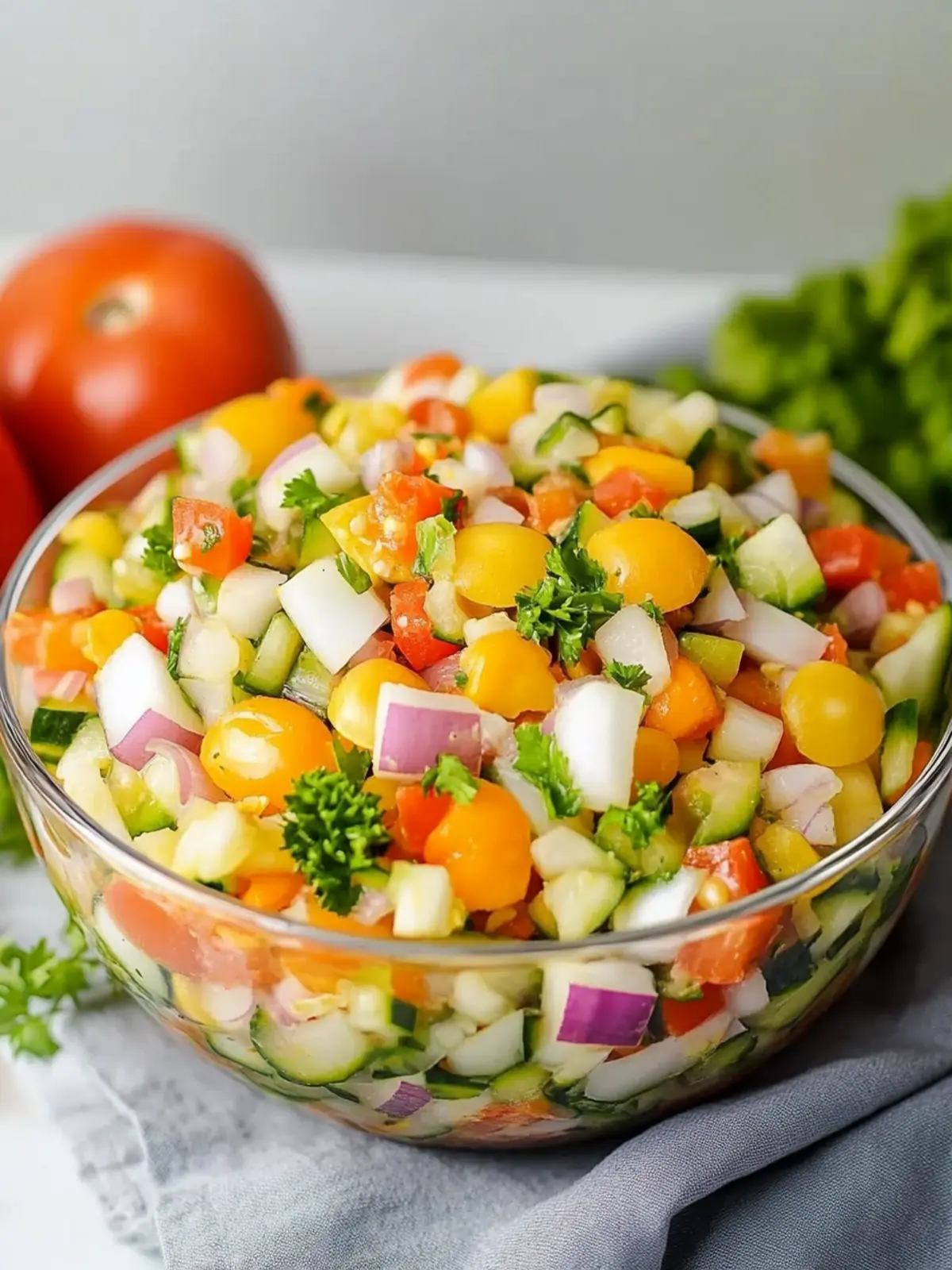
Whip Up The Best Nigerian Salad Recipe in Just 10 Minutes
Ingredients
Equipment
Method
- Prep Vegetables: Start by grating the carrots, finely chopping the cabbage and lettuce, and cubing the tomatoes and cucumber.
- Boil Ingredients: Hard boil the eggs for about 7 minutes and boil the potatoes until tender. Shell the eggs and peel the potatoes.
- Layer Ingredients: In a large bowl, layer the vegetables starting with the cabbage and lettuce.
- Add Beans and Eggs: Sprinkle the baked beans on top and arrange sliced hard-boiled eggs.
- Serve or Refrigerate: Enjoy immediately or refrigerate until ready to serve.